The KA33-H12 oil pressure sensor listing at NexuParts identifies a reference and a Mitsubishi application, but selecting a replacement requires more than finding those words in a search result. Before ordering, compare the original part number, the actual housing and connection, and the vehicle information used to identify the required component. This guide explains what the listing documents and which questions should remain open until you have supporting evidence.
KA33-H12 oil pressure sensor: start with the listing identity
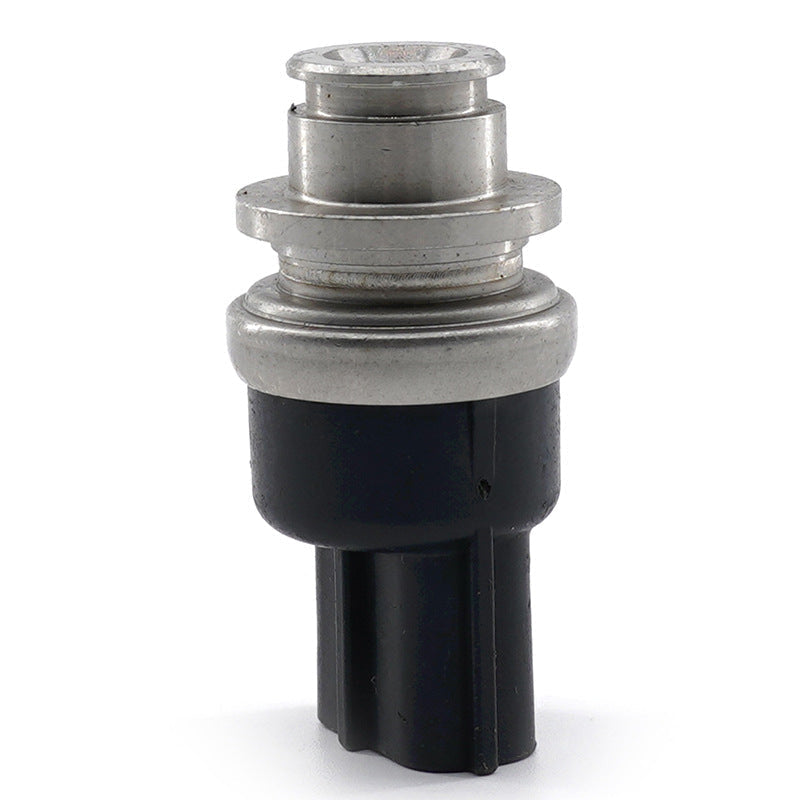
The KA33-H12 oil pressure sensor product page gives KA33-H12 as both its reference and its SKU. The product is listed as new, with Mitsubishi as the stated application. Its package description specifies one oil pressure sensor and asks buyers to compare the supplied configuration with the product photographs.
These are catalog facts, not an independently verified vehicle-specific interchange record. The page does not identify an exact Mitsubishi model, engine, production-year range, or installation location. Do not extend the brand-level application into a claim that the item fits every Mitsubishi vehicle. A familiar reference is a starting point for comparison, not a reason to ignore differences in the original component.
Keep physical comparison and electrical specification separate
The product photograph is useful for comparing the visible body profile and connector housing. It does not establish an electrical specification. The current listing does not provide a pressure range, signal curve, pinout, or a detailed mounting specification. Treat those fields as unconfirmed rather than estimating them from a photograph or importing them from another advertisement.
A visually similar part can still leave important questions unanswered. Conversely, a photo taken from a different angle may make a matching feature difficult to recognize. When a connection or mounting detail is not visible, ask for clarification about that specific area. Do not turn a lack of visible differences into a positive compatibility statement.
Read the complete reference, not a convenient fragment
Record the identifier on the existing part exactly as you can read it, including letters, digits, and the hyphen. Save a close photograph if the marking is safely accessible. If it is damaged or unreadable, mark the number as unknown. A reference copied from an unrelated online listing is not evidence that the same component was fitted to your vehicle.
For this product, the listing reference is KA33-H12. Compare it with the original identification record and the physical component rather than searching only “H12” or “Mitsubishi sensor.” Shortened searches can be helpful for navigation, but they should not become the final fitment check. Keep the full product URL with your notes so a later question still refers to this exact listing.
Do not transfer specifications between sensor listings
NexuParts also offers a separate 5033317AB oil pressure sensor listing for Chrysler, Dodge, and Jeep applications. That page displays 5033317AB, 68003360AA, and 5033317AC as its source references, with 5033317AB as the SKU. Those numbers belong to that other product; they are not alternate identifiers supplied for KA33-H12.
The comparison illustrates how a shared product type can hide different applications. It is not an interchange recommendation. Do not select the Chrysler/Dodge/Jeep-listed item as a substitute for the Mitsubishi-listed item because both are labeled oil pressure sensors. Do not transfer its material entry, package details, or other listed specifications to KA33-H12 either. Review each item on its own evidence.
Create a comparison sheet before making a decision
A short evidence record is more useful than relying on a remembered engine description or a thumbnail image. Keep known facts separate from unresolved questions. This makes it easier to explain what you need checked and prevents a plausible match from gradually becoming an assumed fit.
- Original identification: Save the full readable reference and its source, such as the original component label or a vehicle-specific identification record.
- Vehicle information: Record the year, model, engine, and market information available to you. Leave missing details marked as unknown.
- Visible configuration: Compare the complete body, connector housing, locking features, and visible mounting arrangement with the product photographs.
- Missing specification: List any unconfirmed requirement that must be resolved before purchase, rather than guessing an electrical or mounting value.
- Purchase identity: Save the listing URL and SKU together so the part being discussed is unambiguous.
Do not remove or disturb a component just to complete this worksheet without an appropriate procedure. If the needed information is not safely accessible, ask a qualified technician to identify the part and the required specification. This article is a purchasing guide, not a removal, testing, or installation manual.
A symptom is not a compatibility test
Nothing in the KA33-H12 product description establishes the cause of a warning, a reading, or a vehicle complaint. Buying a part with a related name is not a substitute for identifying the component your vehicle requires. Separate the diagnosis from the catalog comparison: first establish the requirement, then determine whether this particular item matches it.
The same limit applies to reference numbers. NexuParts states that source references are provided for comparison and are not an independently verified OEM interchange list. The number does not establish original-manufacturer branding or endorsement. It also does not supply the electrical information missing from the description. Avoid treating a search match as proof of a replacement's calibration or function.
Ask a focused question before checkout
The product page invites buyers to send the product link, original reference, clear photographs, and vehicle year and model before ordering. Include the engine information used to identify the required part, if known, and state the precise unresolved issue. A question about a specific connector feature or missing specification is clearer than asking whether the item fits “a Mitsubishi.”
The Lighting & Electrical collection can help locate related listings, but category placement does not verify vehicle compatibility. Reopen the current KA33-H12 product listing to confirm the exact item and review the store's current policies separately. Do not order while an essential reference or configuration question remains unanswered. Select the KA33-H12 oil pressure sensor through an evidence-based comparison, not a brand-name shortcut.